
Which Wellness Retreat Matches Your Priority?
The wellness retreat market has become beautifully rich and slightly confusing. One property promises longevity, another emotional healing, another thermal recovery, another social wellness, another nervous system regulation. They can all sound convincing. The real question is simpler: what do you need now?
Recent wellness research suggests that consumers are no longer satisfied with vague access to treatments. The WELLSurvey 2.0, covered in Spa Business, separates “wellness” from “wellbeing”: wellness is the set of behaviours and services, while wellbeing is the lived outcome in physical, mental, emotional and social life. McKinsey’s 2026 wellness preview also points to a market moving toward longevity, gut health, stress recovery, biomonitoring, recovery experiences and in-person connection.
So instead of asking, “Which retreat is best?”, start with your priority.
If your priority is stress recovery
Look for retreats built around nervous system care: gentle movement, breathwork, sleep, sound, nature, small groups and enough free time. Avoid programmes that fill every hour with stimulation. A stressed person does not always need more optimisation. Sometimes the best treatment is fewer decisions.
Good signs: trauma-informed facilitators, optional participation, quiet spaces, slow mornings, practical tools you can repeat at home.
Ask before booking: is the programme suitable for anxiety, burnout or trauma history? Are breathwork sessions gentle or intense? What support is available if a practice feels overwhelming?
If your priority is longevity
Longevity retreats can be useful when they translate science into daily habits: strength training, walking, sleep, food quality, social connection and metabolic health. Be more cautious when a retreat leans heavily on futuristic therapies without clear explanation.
Good signs: qualified professionals, realistic language, attention to movement and nutrition, and a plan for after the retreat.
Ask before booking: which parts are medical, which are lifestyle, and which are spa? Are any tests diagnostic? Who interprets them? How is your data stored?
If your priority is family wellbeing
Family wellness is one of the most interesting new directions. Palazzo di Varignana’s family longevity retreat in Emilia Romagna is a good example because it includes cooking, nature, shared spa rituals, movement, sleep and play. The trend is broader too: wellness resorts are increasingly opening experiences to children and teens, not only adults.
Good signs: age-appropriate activities, healthy meals that are not punitive, nature time, family rituals, and enough flexibility for different temperaments.
Ask before booking: what is included for children? Are activities mandatory? Does the retreat support parents too, or only entertain children while adults go to the spa?
If your priority is recovery through water and temperature
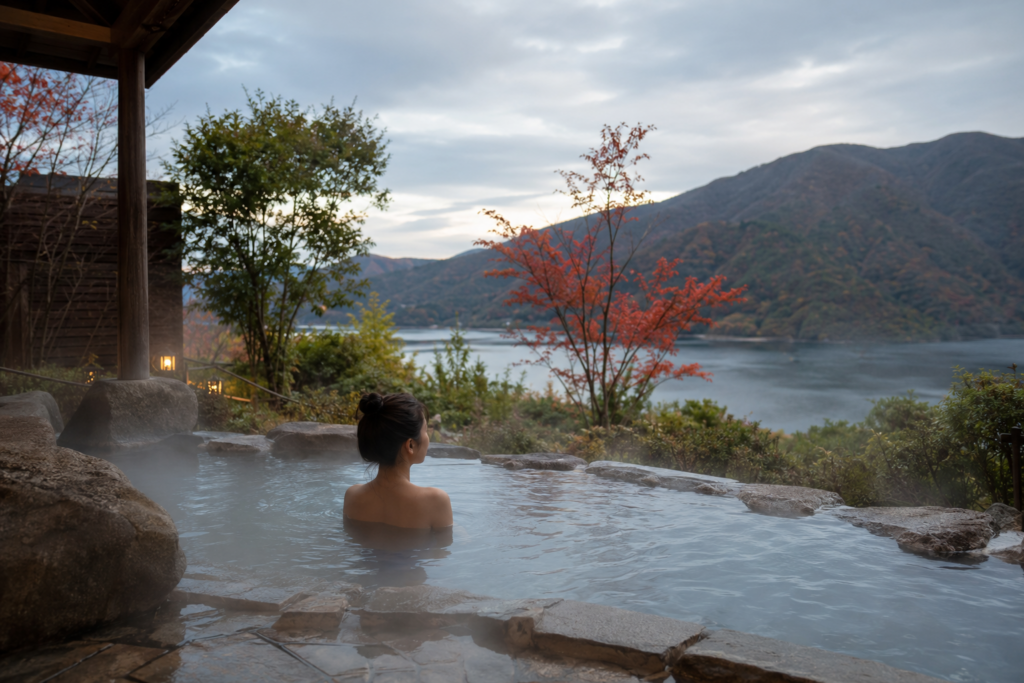
Thermal and contrast experiences can be powerful, but intensity is not the same as effectiveness. Hoshino Resorts’ KAI properties in Japan developed a medically supervised cool-down onsen programme using 35-36 C bathing, while Arctic Bath in Swedish Lapland offers a more elemental contrast ritual with sauna, cold plunge, herbs, sound and breath.
Good signs: clear temperature guidance, time limits, contraindication screening, recovery areas, and staff who do not push guests to “endure” cold.
Ask before booking: is the experience suitable for cardiovascular conditions, pregnancy, migraine, high blood pressure or medication use? Is there a gentle version?
If your priority is social connection
Wellness is becoming more communal. Virgin Active’s Social Wellness Club in Mayfair combines training, recovery, work, nutrition and social spaces. Alma in Sicily uses a festival model built around culture, movement, longevity and connection. These experiences answer a modern need: people want places to be healthy together.
Good signs: shared meals, group movement, spaces to talk, community rituals and a schedule that allows spontaneous connection.
Ask before booking: is the atmosphere reflective, high-energy or networking-focused? Will you feel restored by the group, or drained by it?
If your priority is emotional healing or cancer-aware care
This is where careful selection matters most. The UK Spa Association’s 2026 cancer-care survey found that many spas are still learning how to adapt treatments for guests living with cancer, while specialist organisations are working to raise standards. Do not assume every spa is prepared.
Good signs: trained therapists, adapted consultations, privacy, pressure and heat modifications, and willingness to work within medical guidance.
Ask before booking: what cancer-care training has the team completed? How do they adapt massage, heat, products and positioning? Can you speak privately before arrival?
The Zen & Beyond rule
Choose the retreat that matches the life you want to return to. A good retreat is not only a beautiful pause. It is a rehearsal for a more liveable routine.
Sources
84 per cent of consumers now say wellness is a top priority, says initial McKinsey report findings
Palazzo di Varignana launches family wellbeing and longevity retreat
Hoshino Resorts develops medically supervised bathing programme at KAI onsen properties
Destination spa: Freeze the moment
Virgin Active opens social wellness club in London’s Mayfair
Almost half of spa survey respondents are unaware cancer is a disability
Related Articles
Italy’s New Longevity Retreats
Italy has always had its own version of longevity: long meals, mineral waters, walking...
Read More
The Lunar Touch: Discover the Power of the Selenite Massage
Have you ever heard of a massage that goes beyond physical relaxation and recharges you...
Read More